As the summer heat fades and a crisp chill fills the air, many gardeners believe their outdoor work is coming to an end. However, autumn is actually one of the most important and rewarding times of the year for planting. The combination of warm soil, reliable seasonal rainfall, and cooler air temperatures creates the absolute perfect environment for root development. By taking advantage of this golden window, you can establish a resilient landscape that bursts with life, color, and texture throughout the cooler months and well into the upcoming spring.
Designing a thriving autumn garden is about more than just cleaning up fallen leaves; it is an opportunity to introduce rich jewel tones, structural interest, and cold-hardy edible crops. During this transitional season, plants experience less transplant shock, allowing their root systems to settle deep into the earth without the stress of scorching summer sun. Whether you want to boost your home’s curb appeal with colorful container displays, plant bulbs for an early spring showcase, or cultivate a late-season harvest, these ten strategic fall planting ideas will help you transform your yard into a vibrant autumn sanctuary.
1. Plant Spring-Blooming Bulbs for Early Color
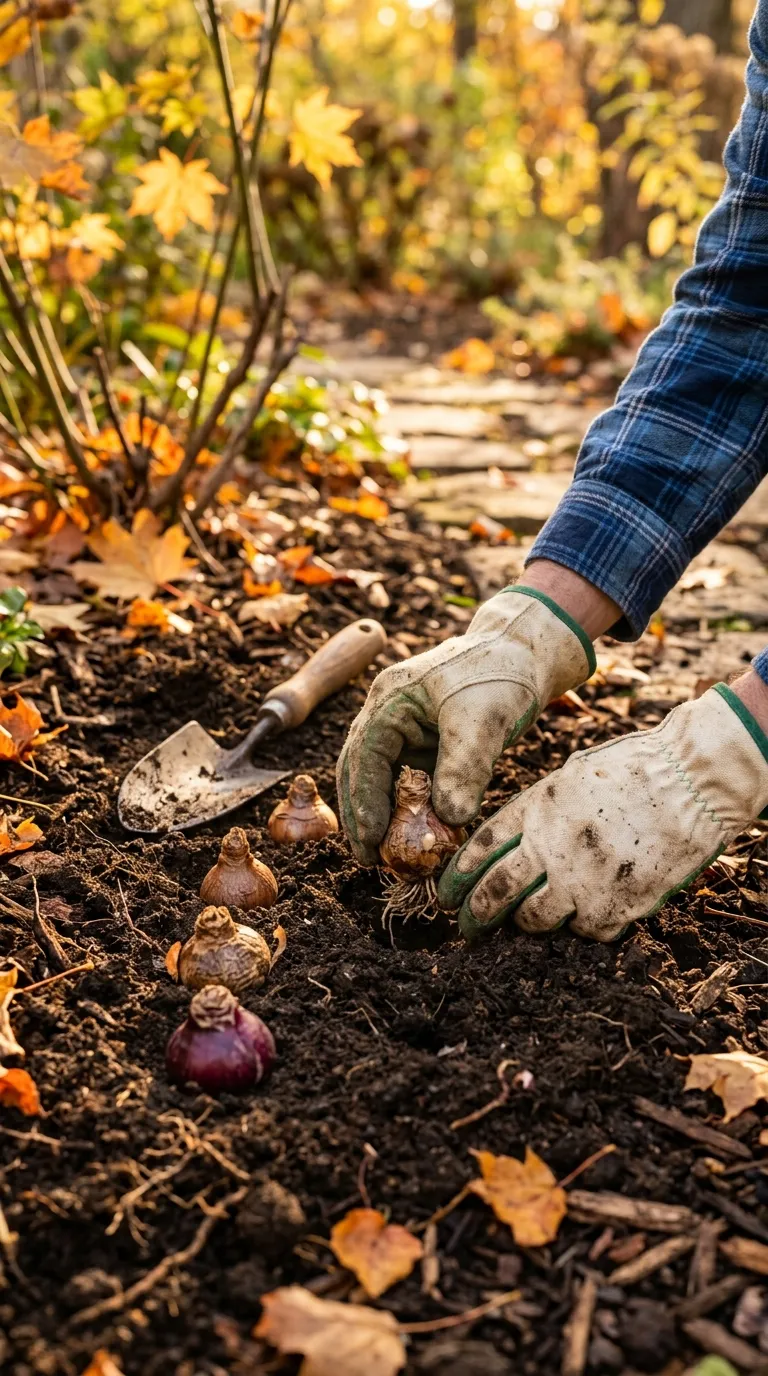
One of the most exciting autumn gardening tasks is burying secret treasures that will announce the arrival of spring. Planting spring-blooming bulbs during the fall is essential because these plants require a sustained period of cold dormancy, known as vernalization, to develop their flowers. From October through December, before the ground freezes solid, is the ideal time to tuck these bulbs into well-draining soil.
To create a naturalistic and dramatic display, avoid planting bulbs in single, straight lines. Instead, try “naturalizing” them by gently tossing handfuls onto your lawn or garden beds and planting them exactly where they land. For a classic aesthetic, group bulbs in tight clusters of ten to fifteen. Ensure you plant them at a depth that is roughly three times their height, with the pointed end facing upward. Adding a handful of bone meal or a specialized bulb fertilizer to the planting hole will encourage strong root establishment before the winter freeze sets in.
- Tulips: Choose Darwin Hybrids for brilliant, reliable spring color in shades of red, yellow, and pink.
- Daffodils: These hardy bulbs are naturally deer- and rodent-resistant, making them perfect for woodland edges.
- Crocuses: These tiny, early bloomers often push directly through late-winter snow, offering vital early nectar for bees.
- Alliums: Their architectural, globe-like purple flower heads add striking height and modern structure to late-spring borders.