2. Sow Cold-Hardy Leafy Greens for Late Harvests
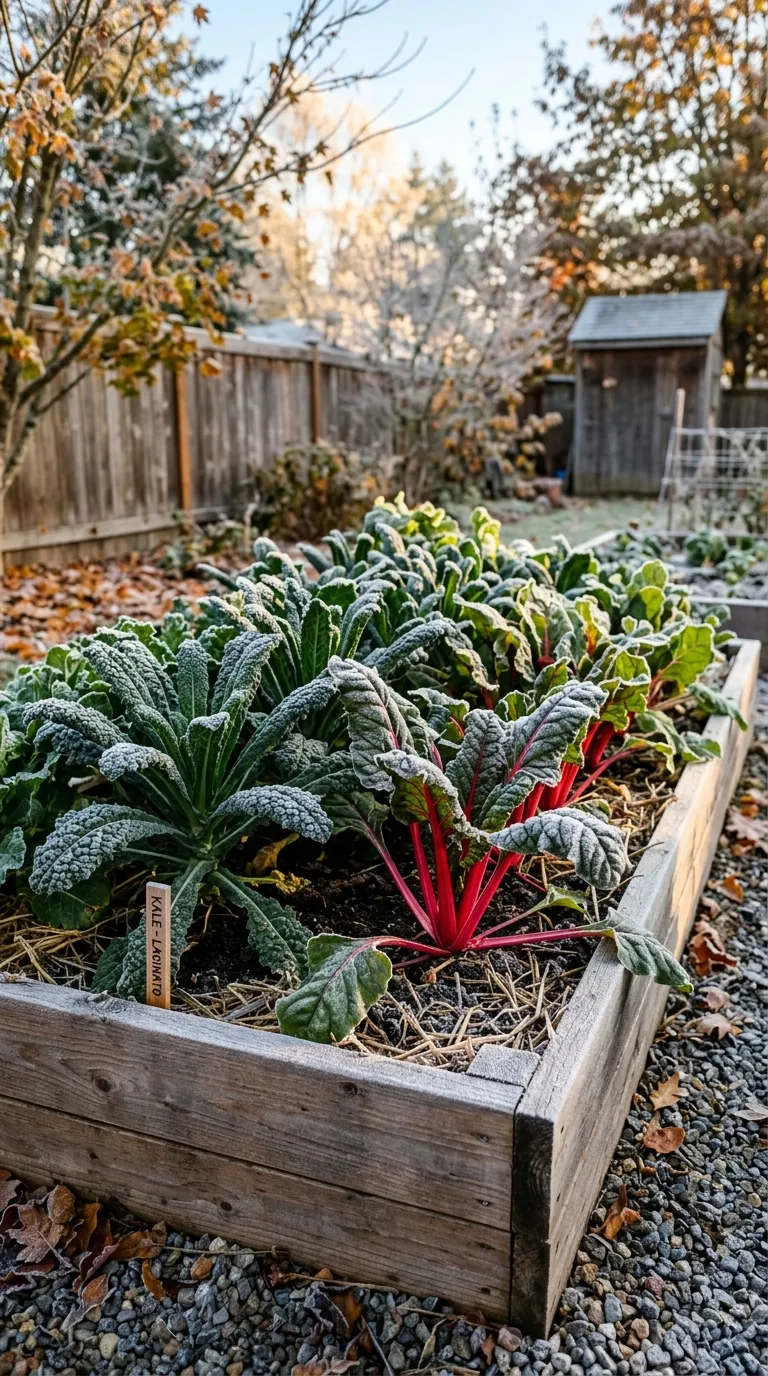
Your vegetable garden does not have to close down when summer ends. Cool-season leafy greens thrive in the moderate temperatures of autumn, and many varieties actually taste sweeter after experiencing a light frost. This sweetness occurs because cold temperatures prompt the plants to convert their starches into sugars, which acts as a natural antifreeze for their cells.
To get the most out of your autumn vegetable patch, sow seeds directly into rich, loose soil amended with organic compost. Keep the soil consistently moist during germination. As the nights grow colder, you can easily extend your harvest window deep into winter by protecting your crops with simple floating row covers, cold frames, or low tunnels. These protective barriers trap radiant heat from the soil while shielding delicate foliage from harsh, freezing winds.
- Kale: Varieties like Lacinato (Dinosaur) and Red Russian become remarkably sweet and tender after a frost.
- Spinach: Extremely cold-tolerant, spinach will easily overwinter in many climates to produce an incredibly early spring crop.
- Swiss Chard: Offers beautiful, colorful stems in shades of ruby, gold, and pink that brighten up the autumn garden.
- Arugula: A fast-growing green that provides a peppery kick to autumn salads in as little as four weeks from sowing.