8. Apply a Generous Layer of Organic Mulch
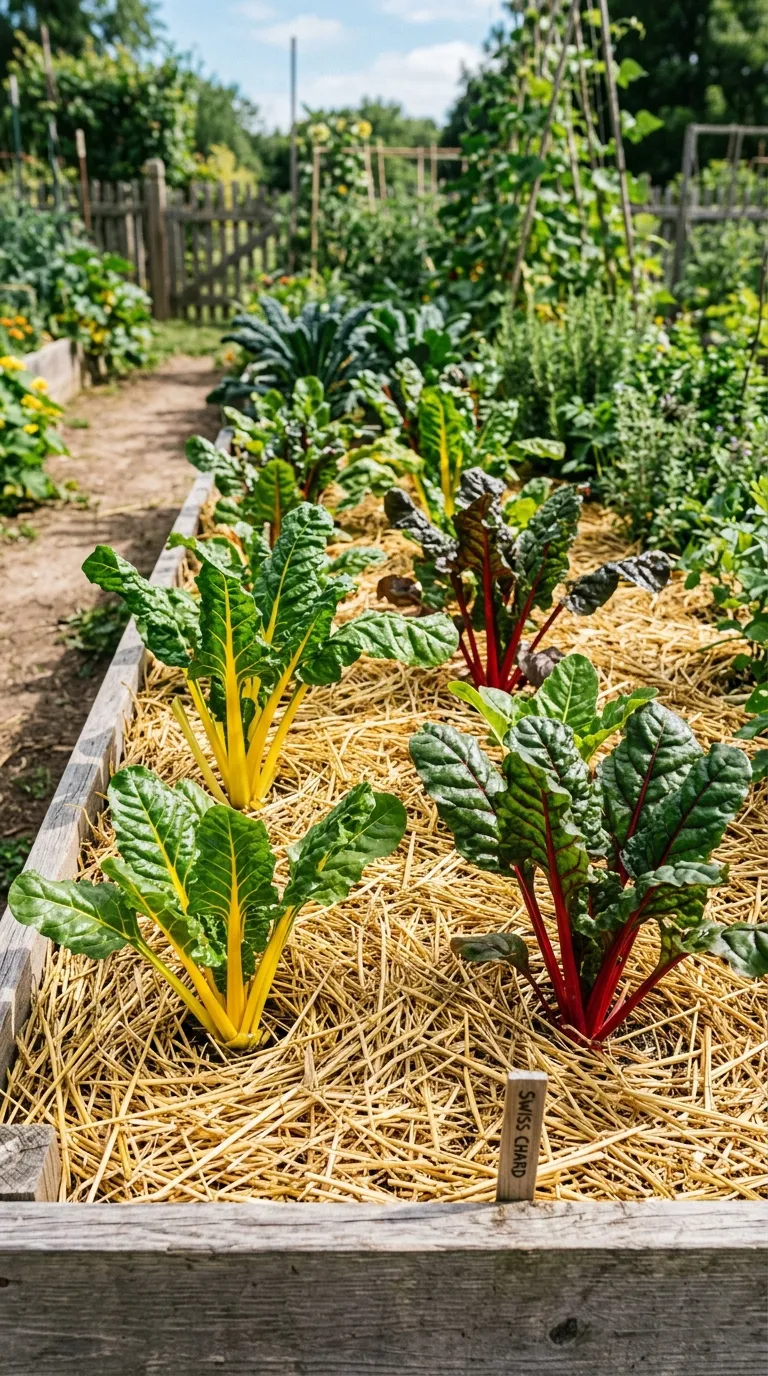
Mulching is a cornerstone of successful autumn gardening. As temperatures drop, soil moisture can evaporate quickly in dry autumn winds, and the ground can undergo dramatic temperature swings. Applying a generous layer of organic mulch—such as straw, chopped leaves, clean grass clippings, or shredded bark—acts as a protective blanket for your garden beds, insulating the soil and protecting soil microbes.
A thick layer of mulch helps maintain a stable soil temperature, which keeps root systems active longer into the winter. It also suppresses cool-season weeds that compete with your crops for nutrients and water. Furthermore, as organic mulch breaks down over time, it feeds the earthworms and beneficial fungi in your soil, improving soil structure and fertility for future planting seasons. Ensure you keep the mulch a couple of inches away from the actual stems of your plants to prevent moisture buildup and rot.