As the summer heat fades and the leaves begin to turn golden, many gardeners mistakenly believe that the growing season is coming to an end. In reality, autumn presents one of the most rewarding opportunities of the year for cultivating a bountiful backyard harvest. Cooler temperatures, more consistent rainfall, and fewer active pests make the autumn season an ideal time to grow a wide variety of nutritious crops. By implementing strategic planting techniques, protecting your soil, and choosing the right cold-hardy varieties, you can extend your harvest well into the winter months.
A successful autumn food garden relies on understanding your local climate, utilizing protective structures, and maximizing the space left vacant by spent summer crops. Whether you are an experienced horticulturist or a beginner looking to get your hands dirty, planning ahead is key. Transitioning your garden beds from summer to autumn requires a mix of soil rejuvenation, smart crop selection, and proactive pest management. Below are ten highly effective, practical, and productive ideas to help you transform your backyard into an abundant cool-season oasis.
1. Plant Cold-Hardy Brassicas Early
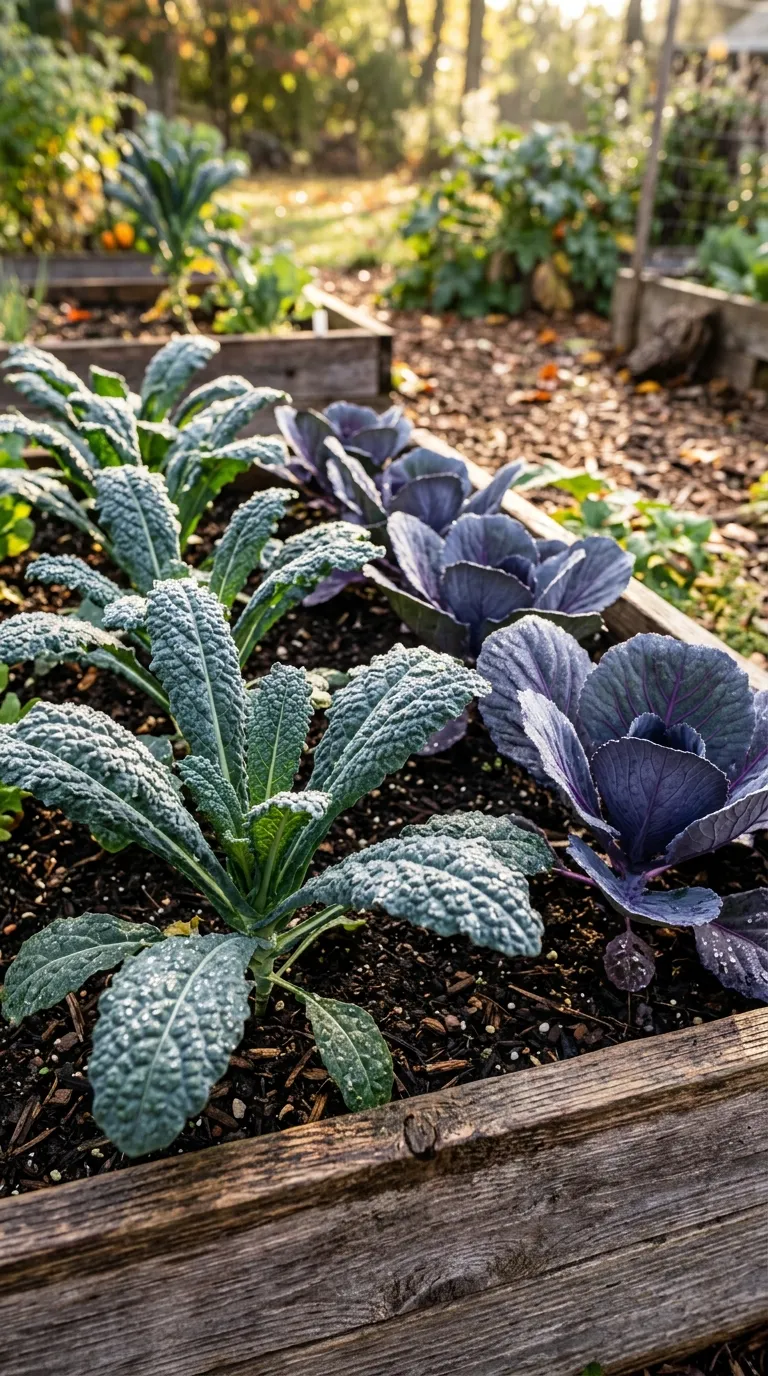
Brassicas are the undisputed royalty of the autumn garden. This diverse family of vegetables includes highly nutritious crops such as kale, broccoli, Brussels sprouts, cabbage, and cauliflower. These plants thrive in cooler temperatures and, remarkably, their flavor profile actually improves after experiencing a light frost. When temperatures drop, these plants convert their starches into sugars, acting as a natural antifreeze and resulting in a much sweeter, less bitter taste.
To get the most out of your brassicas, timing is absolutely critical. These vegetables require a head start during the late summer to establish strong root systems before the days grow shorter and growth slows down. If you live in a region with rapid transitions from summer to winter, transplanting established starts rather than sowing seeds directly into the ground will give you a significant advantage. Keep the soil consistently moist during the late summer heat, and apply a thick layer of organic mulch around the base of the plants to regulate soil temperature and conserve precious moisture.