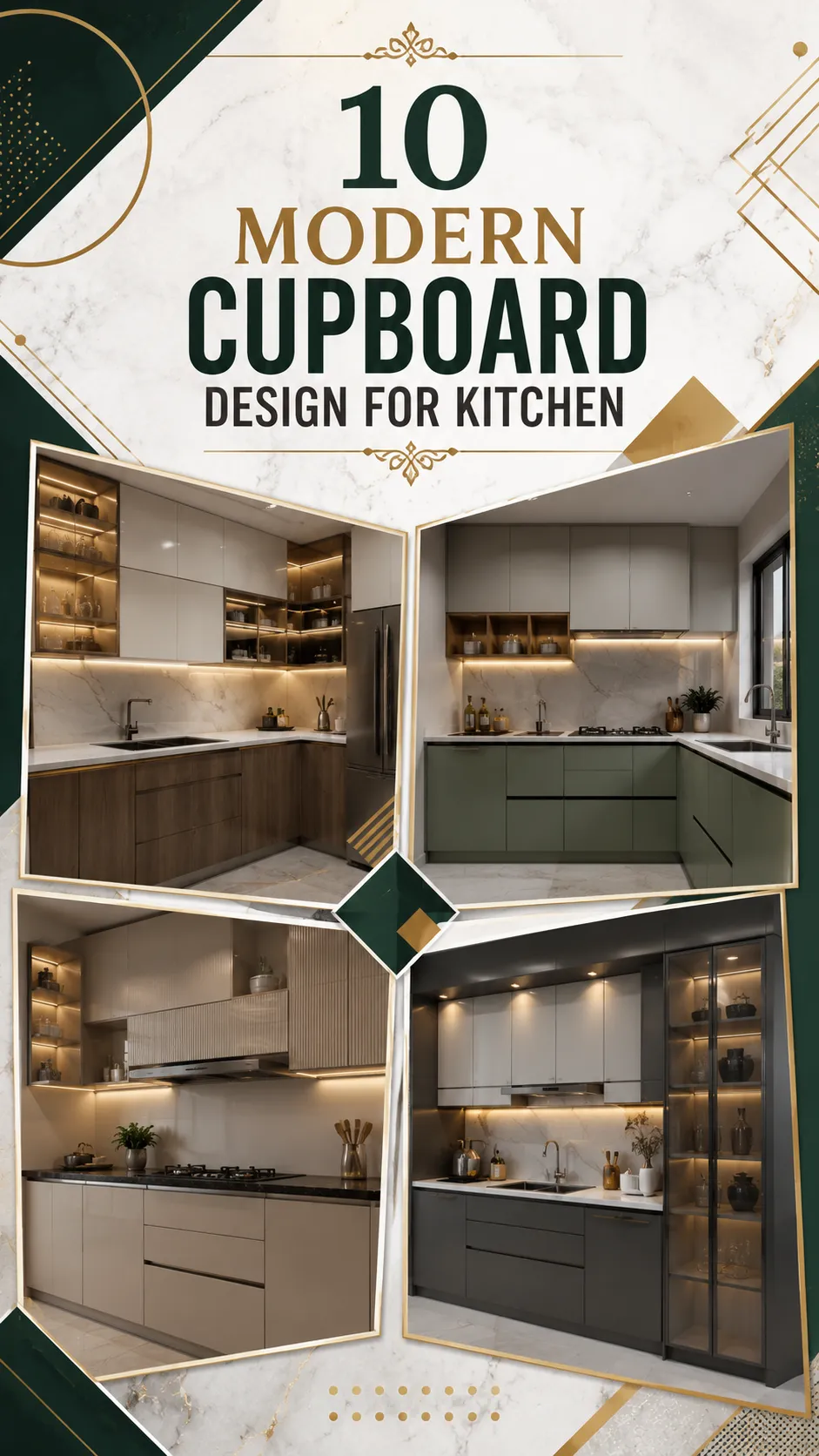
The kitchen cupboard is the engine room of your home. It dictates not just the visual language of your kitchen, but its daily efficiency. A well-designed kitchen cupboard system hides the chaos of modern life while providing an intuitive, seamless workflow. In 2026, the trend has shifted away from purely aesthetic, “showroom-only” kitchens toward spaces that balance high-fashion materiality with high-function ergonomics.
Whether you are designing a compact apartment kitchenette or a sprawling gourmet workspace, your choice of cabinetry—its finish, hardware, and internal configuration—is the single most important decision you will make in your home. Below are 10 sophisticated cupboard design concepts that bridge the gap between timeless craftsmanship and contemporary professional needs.
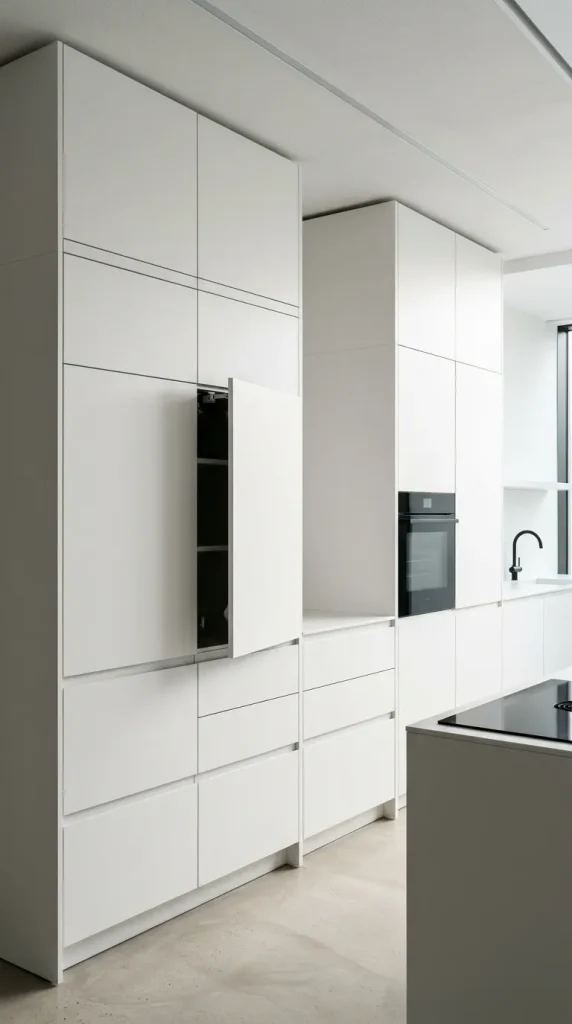
1. The Full-Height “Monolith” Wall
This design replaces upper and lower cabinets with a single, floor-to-ceiling bank of seamless cabinetry. By eliminating the horizontal break of a countertop “backsplash,” the kitchen becomes a solid, architectural volume.
- Why it works: It maximizes storage to the extreme. Everything—from your pantry dry goods to your built-in refrigerator and oven—is hidden behind a wall of uniform doors. It is the ultimate expression of minimalist discipline.

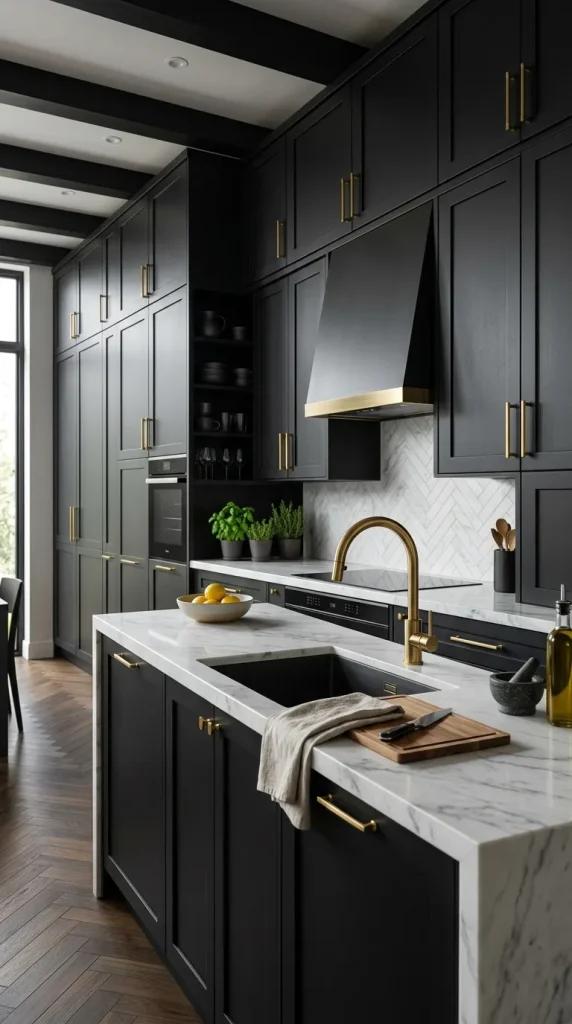
2. The Matte-Black Industrial Grid
For those who favor an edgy, high-contrast aesthetic, a matte-black kitchen is visually grounding. Use fingerprint-resistant matte-black laminate or powder-coated wood, paired with slim, vertical or horizontal brushed-brass handles.
- Why it works: It feels incredibly sophisticated and timeless. Matte black absorbs light, adding a sense of “depth” to the room that makes the space feel more luxurious. It pairs perfectly with white marble or dark concrete countertops.
3. The “Japandi” Wood-Slat Texture
Inspired by the Japanese-Scandinavian fusion, this design utilizes light, natural woods—like oak or ash—with vertical slat detailing. Instead of flat surfaces, the cupboards feature a rhythmic, textured ribbing.
- Why it works: It adds a tactile, human element to the kitchen. The texture breaks up the “flatness” of a typical kitchen, making the room feel warmer, more organic, and deeply curated.

4. The Glass-Front Display Cabinet
For the executive who loves to curate their serveware, glass-front cabinets are a must. Use “reeded” or “fluted” glass instead of clear glass to provide a soft, distorted view that hides any minor clutter while still providing visual openness.
- Why it works: It breaks up the “heaviness” of a solid-wood kitchen. When lit from within by hidden LED strips, these cabinets become gallery-like display cases for your favorite glassware or ceramics.
5. The “Handle-less” Touch-Latch System
Modernity is defined by the absence of visual noise. By removing all visible hardware (handles and knobs) in favor of integrated push-to-open or recessed “finger-pull” channels, you create a surface that is perfectly smooth.
- Why it works: It creates an incredibly sleek, high-tech silhouette. It’s perfect for small kitchens, as it prevents the visual “clutter” of metal hardware, making the room appear larger and more open.

6. The Two-Tone “Anchor” Design
This design uses different finishes for the upper and lower cabinets to create visual interest. For instance, dark, moody lower cupboards (like navy or forest green) paired with light, airy upper cabinets (like white or pale oak) grounds the room.
- Why it works: It creates a “layered” look. By keeping the lower units dark, you ground the kitchen, while the light upper units prevent the room from feeling cramped or top-heavy.

7. The Integrated “Command Center”
Modern cupboards are becoming “smart.” This design includes a dedicated “appliance garage”—a section of the cupboard that sits on the countertop and has its own integrated power outlets—to house your toaster, blender, and coffee maker.
- Why it works: It keeps the workspace clear. When the day is done, you simply close the door, and your counters are entirely empty. It is the gold standard for maintaining a clutter-free kitchen aesthetic.

8. The Open-Shelving Hybrid
For a professional kitchen that feels “lived-in,” replace a few upper cabinets with solid, thick wooden floating shelves. This gives you quick access to your most-used items while making the kitchen feel more like a living room.
- Why it works: It provides a place to show off your personality. It makes the kitchen feel more approachable and less like a sterile laboratory, provided you keep the items on the shelves organized and color-coordinated.

9. The “U-Channel” Metallic Edge
Instead of traditional pulls, this design uses a thin, metallic “U-channel” built into the top or side edge of every cabinet door. These channels can be finished in copper, gold, or black, creating a subtle, high-end “trim” that outlines every cupboard door.
- Why it works: It’s a subtle, jewelry-like detail. It provides a grip for your hand while adding a metallic outline that defines the geometry of your cabinetry, making the design look extremely deliberate and high-end.

10. The Mirrored-Back Base
For smaller kitchens, applying a dark, antique-style mirror to the recessed kickplate (the area under the base cabinets) creates a “floating” effect. The cabinets look as though they are hovering an inch or two above the floor.
- Why it works: It adds a touch of glamour and makes a compact floor plan feel significantly larger. It’s an unexpected design choice that professionals use to elevate the “grounding” of the kitchen.

Designing for Longevity and Performance
When finalizing your cupboard design, consider three “performance” pillars that define 2026’s kitchen standards:
- Ergonomics & Internal Access: The exterior is only half the battle. Invest in “soft-close” hinges and drawer slides that feature “pull-out” internal pantry trays. If you have to dig into the back of a cabinet to find a pan, the design has failed.
- Lighting Layers: Don’t rely on overhead lighting. Integrated LED lighting inside the cabinets (that turns on when you open the door) and under the upper cupboards is a luxury feature that is now an expectation.
- Materiality: If you are a high-volume cook, avoid high-gloss white cabinets (which show every fingerprint) or porous, low-quality woods. Choose high-pressure laminates, sealed hardwoods, or professional-grade metal finishes that are designed to handle grease, heat, and moisture.
Your kitchen cupboards are the foundation of your home’s functionality. By investing in the right balance of texture, hardware, and smart organization, you are not just buying storage—you are curating an environment where your daily routines become more efficient and more enjoyable.