As the warmth of summer gently fades, our outdoor spaces undergo a dramatic transformation. The bright, saturated tones of July and August give way to the rich, earthy, and comforting hues of autumn. Many homeowners mistakenly believe that the end of summer marks the end of the gardening season, but autumn is actually one of the most vibrant, productive, and visually stunning times of the year for your landscape. With the right design choices, your backyard can become a cozy sanctuary filled with warm colors, rustling textures, and inviting spaces that celebrate the harvest season.
Creating a beautiful autumn backyard is all about working with nature’s changing rhythms. By incorporating late-blooming perennials, rich foliage, structural elements, and cozy outdoor living features, you can extend your garden’s appeal well into the chilly months. Whether you want to attract local wildlife, grow your own cool-season vegetables, or simply design a picturesque retreat for crisp evening gatherings, these ten comprehensive fall garden ideas will help you transform your outdoor space into an autumn masterpiece.
1. Plant Richly Colored Autumn Perennials
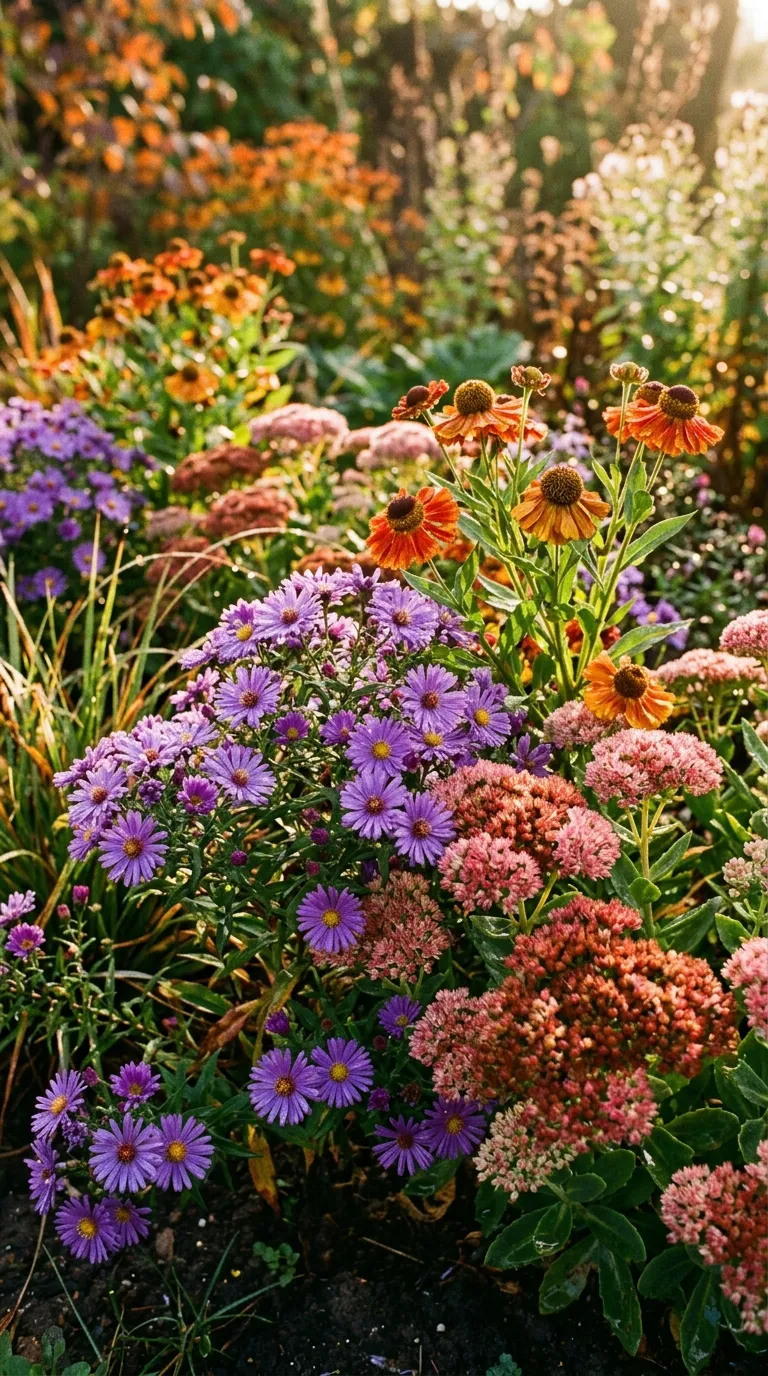
To keep your garden looking vibrant when summer annuals begin to fade, look to hardy autumn-blooming perennials. These plants are the backbone of the late-season landscape, offering reliable color year after year. Instead of relying solely on the standard potted mums from the local grocery store, diversify your flower beds with a mix of textures, heights, and deep jewel-toned colors that thrive in cooler temperatures.
Consider planting classic choices like Aster, which bursts into clouds of purple, blue, and pink flowers just as other plants are winding down. Sedum, particularly the popular variety Autumn Joy, transitions beautifully from dusty pink to a deep coppery red as the weeks progress. Another excellent addition is Helenium, also known as sneezeweed, which features daisy-like blossoms in fiery shades of orange, yellow, and mahogany. When planting these perennials, group them in clusters of three or five to create bold, eye-catching drifts of color that draw the eye through your backyard landscape.